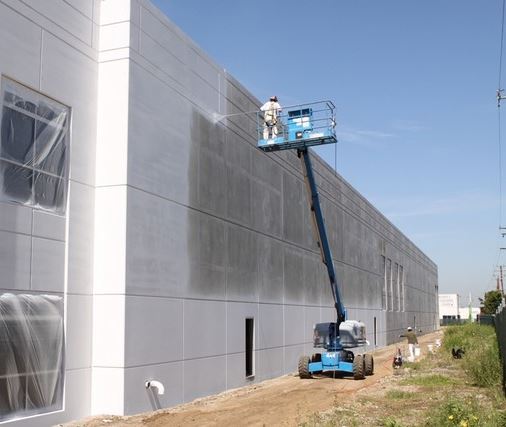
By mid-summer, a pattern starts to emerge across Sacramento’s commercial properties:
Some buildings maintain momentum.
Others begin to stall.
The difference often comes down to one thing:
Execution during July.
Why Properties Stall in July
July exposes weaknesses in planning and execution:
- Vendor availability tightens
- Heat limits production windows
- Occupancy restricts interior access
As a result, many properties:
- Delay projects
- Push work into late summer or fall
- Operate with visible wear
This creates a competitive gap.
The Properties That Stay Ahead
Buildings that continue executing in July tend to:
- Maintain updated exterior finishes
- Keep interiors move-in ready
- Address wear in real time
They don’t just look better—they perform better in the market.
Painting as Competitive Positioning
At this stage, painting affects:
- Leasing velocity
- Tenant retention
- Property perception
- Negotiation strength
It’s not just maintenance—it’s market positioning.
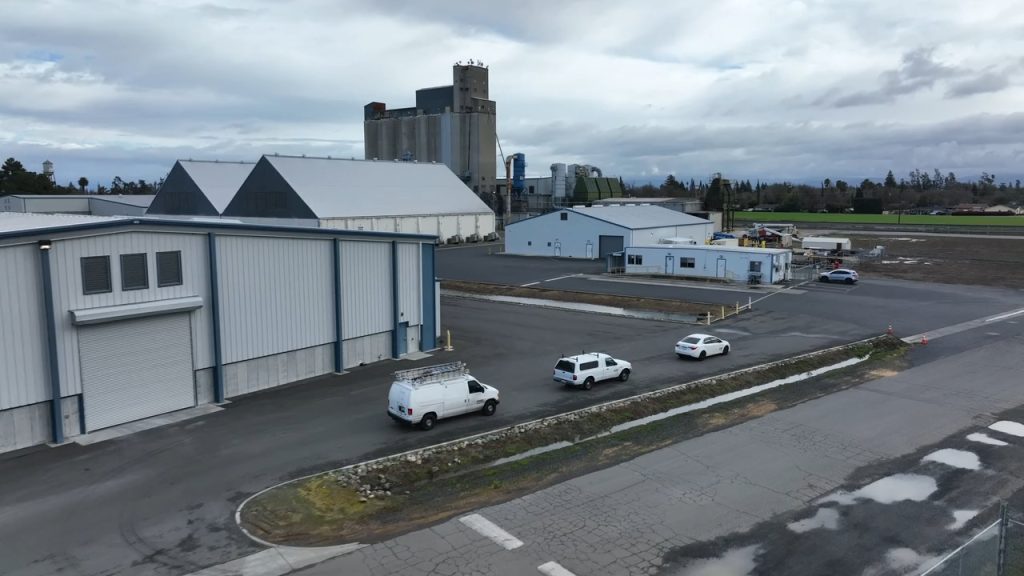
The Role of Strategic Scheduling
Successful July projects rely on:
- Early morning exterior work
- Night and weekend interior crews
- Tight phase planning
This allows properties to:
- Improve condition without disruption
- Stay active while upgrading
- Avoid operational conflicts
Where Competitive Gaps Show Most
In Sacramento, this divide is highly visible in:
- Growing industrial zones (Natomas, Elk Grove)
- Suburban office corridors
- Retail centers in peak summer traffic
- Investor-owned multi-tenant assets
Properties that pause improvements fall behind quickly in these environments.
Visual Condition = Market Signal
In July, condition isn’t subtle.
Buyers, tenants, and brokers see:
- Faded vs. fresh coatings
- Maintained vs. neglected entries
- Finished vs. delayed improvements
That visual difference influences real decisions.
The Bottom Line
July rewards properties that keep moving.
Commercial painting becomes a tool for staying relevant while others stall.
✅ In a competitive summer market, consistent execution wins.