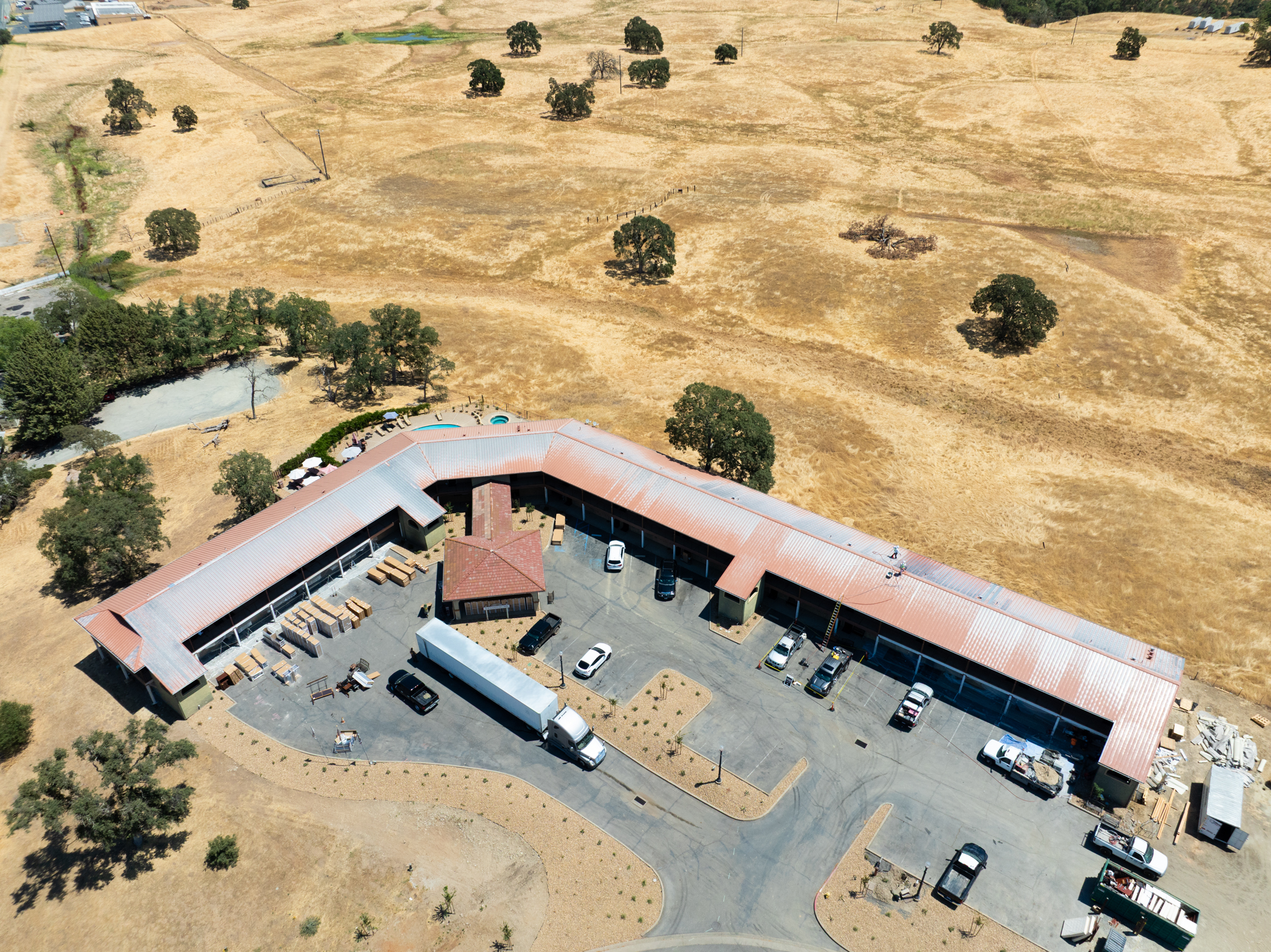
Every facility manager understands the challenge of balancing maintenance needs with day-to-day operations.
Improvements must happen.
Operations must continue.
Tenants, employees, customers, patients, and visitors still need access to the facility.
That reality is why strategic scheduling has become one of the most important components of successful commercial painting projects.
The quality of the final result matters, but the ability to complete work with minimal disruption often matters just as much.
The Real Cost of Downtime
When maintenance projects interfere with normal operations, the impacts can extend well beyond inconvenience.
Disruptions can affect:
- Productivity
- Revenue generation
- Tenant satisfaction
- Customer experience
- Employee efficiency
For many facilities, even a short interruption can create measurable operational costs.
Effective planning helps avoid those scenarios.
Successful Painting Starts Before Work Begins
The most efficient projects are won during the planning stage.
Before coating materials are applied, project teams should evaluate:
- Building occupancy
- Operational schedules
- Access restrictions
- Seasonal conditions
- Safety requirements
This allows the project to be structured around facility needs instead of forcing facility operations to adapt to construction activities.
The Value of Phased Execution
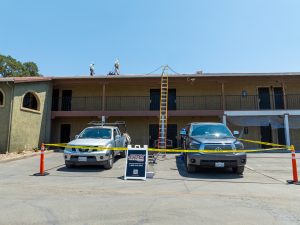
Large-scale painting projects rarely need to occur all at once.
Phased execution allows facilities to continue functioning while improvements are completed in manageable sections.
Benefits include:
- Reduced disruption
- Improved scheduling flexibility
- Better coordination
- Easier access control
- Enhanced safety management
For occupied commercial buildings, phased execution is often the key to project success.

After-Hours and Off-Peak Opportunities
Many facilities have access to production windows that occur outside traditional business hours.
These may include:
- Evening shifts
- Overnight work
- Weekends
- Seasonal closures
- Scheduled low-occupancy periods
Strategic scheduling during these windows can dramatically minimize the impact on daily operations.
Industries That Benefit Most
While every facility benefits from thoughtful planning, certain sectors face greater scheduling challenges.
These include:
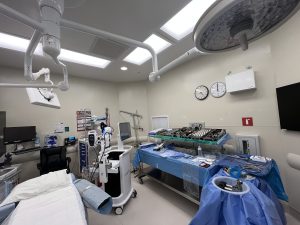
Healthcare Facilities
Patient care activities must remain uninterrupted.
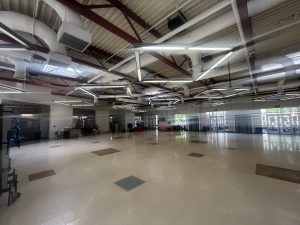
Distribution Centers
Shipping and receiving operations often run on strict timelines.
Retail Properties
Customer access remains a top priority.
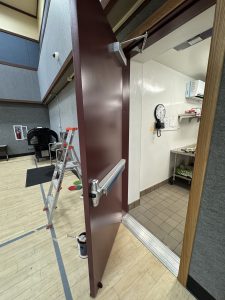
Educational Campuses
Maintenance frequently needs to align with academic schedules.
Government Facilities
Public access and security considerations often require careful coordination.
In these environments, scheduling can be just as important as craftsmanship.
Strategic Planning Protects Budgets
Unexpected interruptions often result in unexpected costs.
Poor coordination can create:
- Schedule delays
- Additional labor expenses
- Change orders
- Operational conflicts
Planning ahead helps keep projects efficient, predictable, and cost-effective.
The Bottom Line
Commercial painting should improve a property, not interrupt it.
When projects are carefully planned and strategically scheduled, facilities can maintain productivity while protecting and upgrading their assets.
✅ The best commercial painting projects are the ones that achieve noticeable results without disrupting the people who rely on the building every day.